


Taking Home an Older Cat ("Senior Kittizen")
Obviously all cats are individuals, but here's some general advice about looking after a Senior Kittizen (11 years old +).
Food
Senior cats have usually had enough with the whole Indiana Jones routine, and tend to be happier with a nice stroll around the house or potter in the garden. As a result of this reduced mobility, their staff need to watch that they don’t start down the road to obesity. It’s essential that their diet is balanced to meet their current needs and ensure optimal health.
Many cat brands have food aimed at senior cats and this is absolutely the way forward. They are formulated to be lower in calories but higher in fibre and some may even contain supplements with antioxidants, vitamins and minerals to support things like joint pain.
Older cats tend to have smaller appetites, so little and often is key.
You’re also welcome to feed them things like lean beef, chicken and turkey. We’re sure you will soon become their new best friend!
Talk with your vets as they might also suggest a food to help with certain health or medical conditions.
Food bowls
If your senior cat has developed joint pain or arthritis it might be a good idea to give them a feeding station with bowls that are elevated to their head level. This will make it easier and more comfortable for them to eat.
Water
It’s absolutely advised for any cat to have clean fresh water, but it’s essential for a senior cat to help them maintain a good level of hydration. Enticing them to drink with a water fountain would be a great idea.
Litter tray
Please ensure that you have a litter tray on each level of your home. More importantly please place two litter trays on the downstairs level if your senior cat has trouble walking, through joint pain or arthritis. Ensuring they can get to a little tray without having to use the stairs is vital.
Litter
Clumping litter is essential as any medical issue will be spotted quickly. Although that sounds a bit gross, being able to take a photo can be incredibly helpful for your vet. The more information you can provide if there’s a problem, the better.
Exercise
It’s always good to try and get an older cat moving as much as possible, providing they are not in pain. Encouraging them out for an amble in the garden once a day will be hugely beneficial to them.
Comfort
We suggest that the lowest level of your home is kitted out with lots of nice comfy beds and blankets. Whilst some senior cats still have a spring in their step and will take pride of place on the bed, others might find using the stairs a little more challenging. Catering for all gives them the option.
Vets
Like humans, as cats get older they need more check-ups to ensure they are fit and healthy. It’s a good idea to take your cat for regular once-over at your vets so that any health issues that might have developed can be found swiftly and treated/managed. Your vets will be able to give you all the advice you require so don’t be afraid to seek their help.
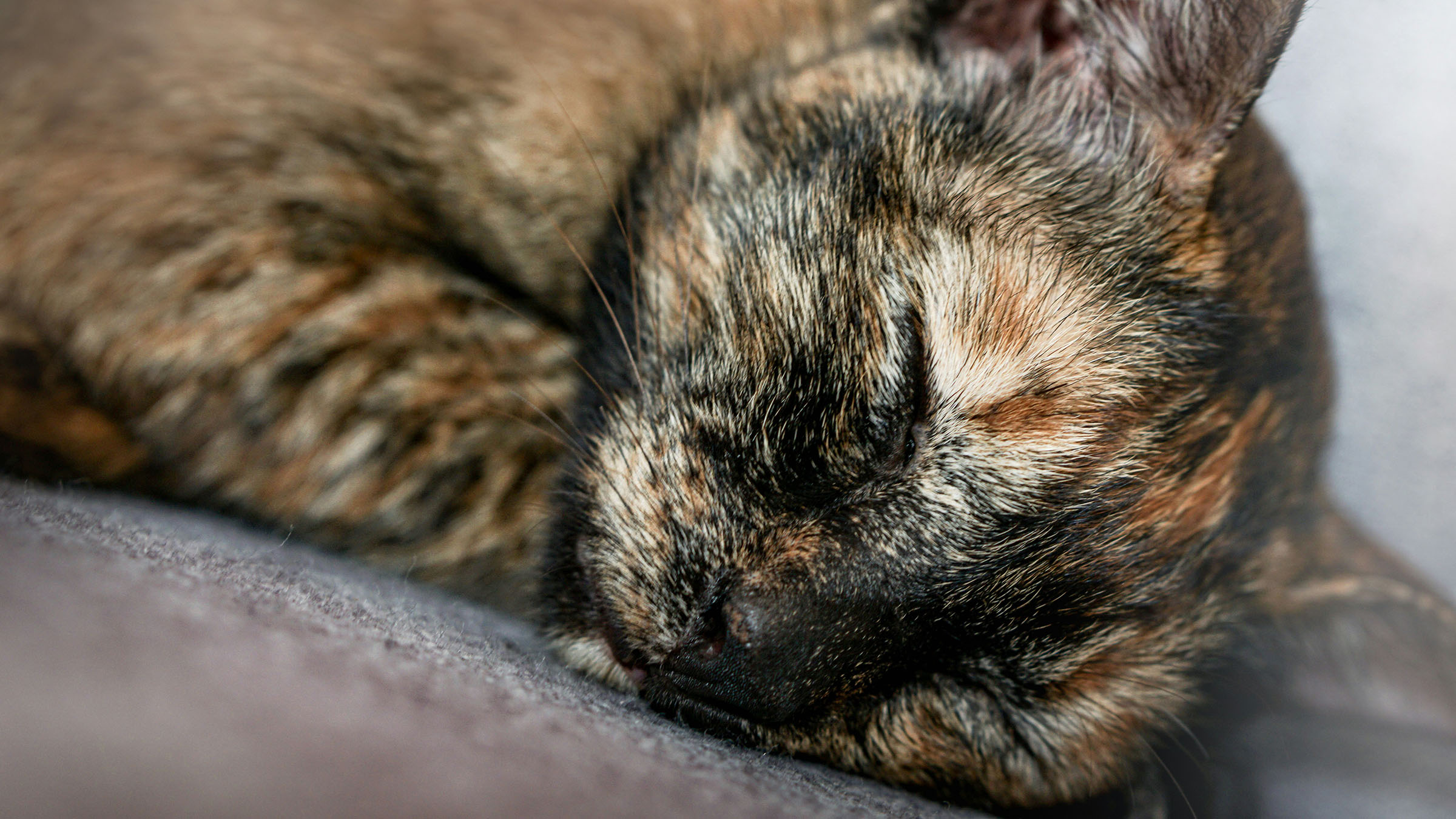
Senior cats have usually had enough with the whole Indiana Jones routine